
No products in the cart.
Cannabis Education
How to Make Cannabutter: Your Complete Guide to Weed Butter at Home
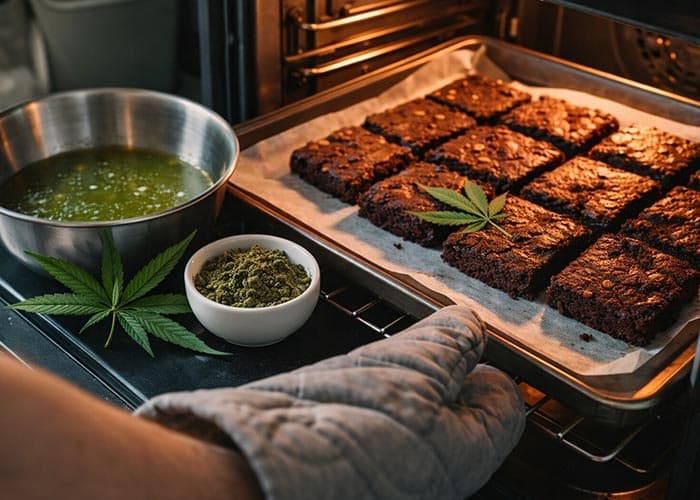
How To Make Cannabutter — The Ultimate Weed Butter Guide
If you want total control over your edibles — how to make cannabutter is the single most valuable cannabis skill you can build at home. Cannabutter is the foundation of countless homemade edibles from classic brownies to savory dinners — giving you complete control over flavor strength serving size and ingredients. In this complete King of Budz guide we walk you through every step from decarbing to infusing straining storing and dosing your finished butter with confidence.
Table of Contents
- What Is Cannabutter
- What You Need
- How To Decarb Weed Before Making Butter
- Step By Step Infusion Guide
- How To Dose Cannabutter
- What To Make With Cannabutter
- How To Make Edibles Hit Faster
- Storage Guide
- FAQ
What Is Cannabutter
Cannabutter is cannabis-infused butter created by gently heating decarboxylated cannabis with butter — allowing cannabinoids to bind to the fat molecules and create a smooth versatile cooking ingredient. It delivers smoke-free long-lasting effects that metabolise through the digestive system — creating experiences that can last several hours with precise controllable dosing in every single serving.
The process of learning how to make cannabutter at home is more accessible than most people realise — requiring no expert chef skills and no expensive equipment — just basic kitchen tools and a little patience.
What You Need
| Ingredient | Amount |
|---|---|
| Unsalted Butter | 1 cup |
| Cannabis Flower | 7-10 grams |
| Water | 1 cup optional |
Equipment
- Baking tray and parchment paper — for decarboxylation
- Grinder — for uniform cannabis pieces
- Saucepan slow cooker or double boiler — for infusion
- Thermometer — to maintain 160°F-200°F
- Cheesecloth or fine mesh strainer — for removing plant material
- Glass jar or airtight container — for storage
How To Decarb Weed Before Making Butter
Understanding how to decarb weed before making butter is the single most critical step in the entire process — and the one most beginners skip or rush. Without proper decarboxylation your infusion will not deliver the expected effects regardless of how well everything else is executed.
Raw cannabis contains THCA — not active THC. Decarboxylation converts THCA into psychoactive THC through carefully controlled heat. Here is the beginner-friendly step by step method:
Step 1 — Preheat Oven To 240°F This is the ideal temperature for THC activation without burning the terpenes that contribute flavor and aroma to your finished butter.
Step 2 — Break Cannabis Into Small Pieces Avoid grinding into fine powder — too-fine pieces burn too easily and unevenly. Small uniform pieces deliver the most consistent decarboxylation results.
Step 3 — Line Baking Tray With Parchment Spread the cannabis evenly across the lined tray for uniform heating across every piece.
Step 4 — Bake For 30-40 Minutes Stir halfway through to prevent hot spots and ensure every piece receives equal heat exposure.
Step 5 — Let Cool Completely Warm cannabis can lose aromatics if handled too soon — always allow it to cool fully before adding to your butter.
Your cannabis will become slightly toasted and fragrant — this confirms the THC has been activated and the material is ready for infusion.
Step By Step Infusion Guide — How To Make Cannabutter
With your cannabis properly decarbed the infusion process is straightforward. You can use a saucepan slow cooker or double boiler — all work effectively as long as temperatures remain low and consistent:
Step 1 — Melt The Butter Add 1 cup unsalted butter to your saucepan. Add 1 cup of water if using the optional water method — water helps regulate temperature and prevents scorching during the long low simmer.
Step 2 — Add Decarbed Cannabis Once the butter melts stir in your 7-10 grams of decarboxylated cannabis evenly.
Step 3 — Simmer Gently For 2-3 Hours Maintain temperature between 160°F and 200°F throughout — never exceed 250°F as THC begins to degrade above this point. The mixture should never boil aggressively — a gentle consistent simmer is perfect. Stir occasionally for even saturation.
Step 4 — Strain The Mixture Place cheesecloth over a clean glass jar and slowly pour the mixture through. Let gravity filter naturally — after most liquid runs through gently squeeze the cloth to release the rest without forcing plant matter through.
Step 5 — Cool And Separate Refrigerate the jar until fully chilled. The butter solidifies at the top — lift it off discard any water beneath and pat dry.
You now have smooth perfectly infused golden-green cannabutter ready for cooking.
How To Dose Cannabutter Safely
Knowing your potency is essential for a comfortable and enjoyable edible experience. Use this simple formula:
THC% x grams x 1000
÷ number of servings
= mg THC per serving
Example
20% THC x 1 gram = 200mg THC
200mg ÷ 20 brownies
= 10mg per brownie
Dosage Reference
| Level | THC Per Serving | Best For |
|---|---|---|
| Low | 2-5mg | Beginners wellness |
| Medium | 5-10mg | Typical edible experience |
| High | 15-20mg+ | Experienced consumers |
Always start low when testing a new batch — edible effects can feel stronger than expected and onset is slower than smoking or vaping.
What To Make With Cannabutter
Once you master this process the possibilities are genuinely endless. Here are the best options:
Sweet Edibles — How To Make Brownie Edibles Learning how to make brownie edibles is the most popular first application for homemade cannabutter — and for good reason. The rich chocolate flavor perfectly masks any cannabis taste while delivering consistent potency in every single square. Other sweet options include:
- Chocolate chip cookies
- Banana bread
- Cinnamon rolls
- Cannabis hot chocolate
- Frosting and buttercream
Savoury Applications
- Melt into mashed potatoes
- Stir into pasta or alfredo sauce
- Spread on toast or garlic bread
- Add to soups and stews
- Toss into roasted vegetables
How To Make Gummy Edibles For consumers asking how to make gummy edibles — cannabutter is not the primary ingredient for gummies as gummies require a liquid oil base. The best approach for how to make gummy edibles at home is to use cannabis-infused coconut oil or a cannabis tincture as the base ingredient instead — delivering cleaner binding and a more consistent gel texture in the finished product.
Browse our full Edibles collection and Cannabis Flower range at King of Budz for the best starting material for your homemade cannabutter.
How To Make Edibles Hit Faster
One of the most common questions from edible consumers is how to make edibles hit faster — and the answer comes down to a few simple strategies:
Consume On An Empty Stomach Edibles metabolise significantly faster when your digestive system is not already processing a large meal — consuming on a relatively empty stomach can reduce onset time noticeably.
Use MCT Or Coconut Oil Understanding how to make edibles kick in faster often involves the fat source — MCT oil and coconut oil bind cannabinoids more efficiently than butter and can accelerate absorption compared to standard dairy butter infusions.
Sublingual Application Holding a small amount of melted cannabutter under your tongue for 60-90 seconds before swallowing allows partial sublingual absorption — bypassing the digestive system for a faster partial onset.
Stay Hydrated Proper hydration supports faster and more consistent cannabinoid metabolism — keeping your system running efficiently for more predictable edible onset timing.
Start Low Paradoxically — starting with a lower dose often results in a cleaner faster onset experience compared to consuming large amounts that take longer for the body to fully process.
Storage Guide
| Storage Method | Duration | Tips |
|---|---|---|
| Refrigerator | Up to 3 weeks | Airtight glass container labeled with date and potency |
| Freezer | Up to 6 months | Wrap tightly cut into pre-measured portions |
When reheating — always use low gentle heat rather than a microwave. High uneven heat can degrade cannabinoids and create hot spots that affect dosing consistency. If your cannabutter develops a sour smell visible mold or an off taste — discard immediately just as you would with regular butter.
Frequently Asked Questions
Q: How to make cannabutter step by step? How to make cannabutter involves five key steps — decarb your cannabis at 240°F for 30-40 minutes, melt butter with optional water, add decarbed cannabis and simmer gently at 160°F-200°F for 2-3 hours, strain through cheesecloth, then cool and separate before storing airtight.
Q: Do I need to decarb weed before making butter? Yes — learning how to decarb weed before making butter is the most critical step in the entire process. Without decarboxylation THCA never converts to active THC and your infusion will not deliver the expected effects regardless of how carefully everything else is done.
Q: How to make edibles hit faster? Understanding how to make edibles hit faster involves consuming on an empty stomach using MCT or coconut oil as your fat base considering sublingual application and staying well hydrated for optimal cannabinoid metabolism.
Q: How to make brownie edibles with cannabutter? How to make brownie edibles is straightforward — simply substitute cannabutter for the regular butter called for in any standard brownie recipe. Start with a smaller amount than the recipe requires and add more based on your desired potency level.
Q: How to make gummy edibles at home? How to make gummy edibles requires a liquid oil base rather than butter — cannabis-infused coconut oil or a cannabis tincture works best for achieving the clean binding and consistent gel texture that quality homemade gummies require.
Q: How to make edibles kick in faster? How to make edibles kick in faster comes down to consuming on an empty stomach choosing MCT or coconut oil over butter and considering sublingual application of melted cannabutter before swallowing for partial faster onset absorption.
Q: How long does cannabutter last? Properly stored cannabutter lasts up to 3 weeks refrigerated in an airtight glass container and up to 6 months frozen in tightly wrapped pre-portioned amounts.
