
No products in the cart.
Cannabis Education, Lifestyle & Wellness, Strain Guides
How to Make Cannabis Oil: Complete Guide to Cannabis Infused Oil & Cannabis Coconut Oil
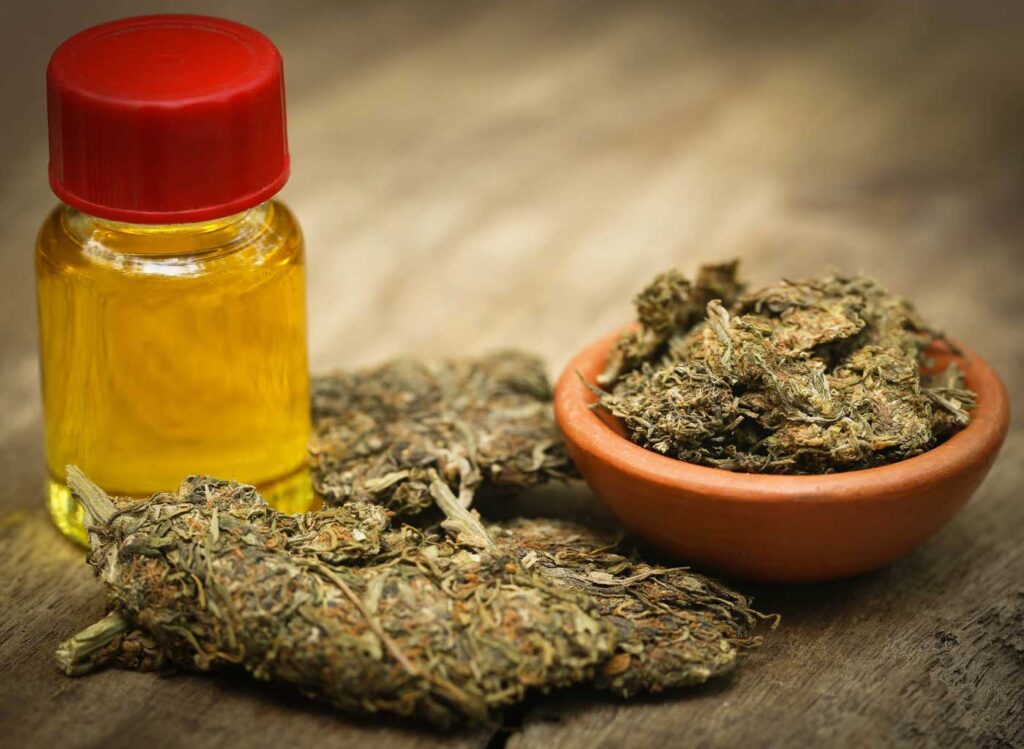
Cannabis-infused oils are versatile staples for edibles, topicals, and homemade remedies. Whether you’re searching for how to make cannabis oil, how to make cannabis coconut oil, or how to make cannabis infused oil, this detailed guide covers everything step-by-step. We’ll focus on safe, effective home methods using common kitchen tools.
Important Disclaimer: Always check your local laws before making or using cannabis products. This guide is for informational and educational purposes only. Cannabis laws vary widely—some regions allow home infusion for personal use, while others restrict it. Consult regulations in your area and consider consulting a healthcare professional, especially if using for medical purposes. Start low and go slow with dosing to avoid overconsumption.
Why Make Your Own Cannabis Infused Oil?
Homemade cannabis oil (also called canna oil) lets you control ingredients, potency, and quality. It’s cost-effective compared to store-bought options and customizable for cooking, baking, skincare, or sublingual use. Coconut oil is popular for its medium-chain triglycerides (MCTs) that aid absorption and solid state at room temperature for easy dosing. Olive oil or avocado oil works well for savory applications.
Benefits of Cannabis Infused Oil:
- Versatile for edibles (brownies, gummies, sauces).
- Potential therapeutic effects from THC, CBD, and other cannabinoids.
- Longer shelf life than fresh flower when stored properly.
- Customizable potency based on strain and ratio.
Understanding Decarboxylation: The Essential First Step
Decarboxylation (decarb) activates THCA and CBDA into THC and CBD by applying heat. Skipping this results in weak effects.
Oven Decarb Method (most common):
- Preheat oven to 240°F (115–120°C).
- Break cannabis flower into small popcorn-sized pieces (do not finely grind to avoid bitterness and plant material).
- Spread evenly on a parchment-lined baking sheet. Cover loosely with foil to retain terpenes.
- Bake for 30–45 minutes, stirring every 10–15 minutes. It should turn golden-brown and fragrant.
Tips: Use a mason jar in the oven for less smell. For precision, use an oven thermometer. CBD-rich strains may need slightly longer. Let cool completely before infusing.
Alternative Decarb Methods: Instant Pot/pressure cooker or sous vide for discreet, low-odor options.
Choosing Your Oil Base
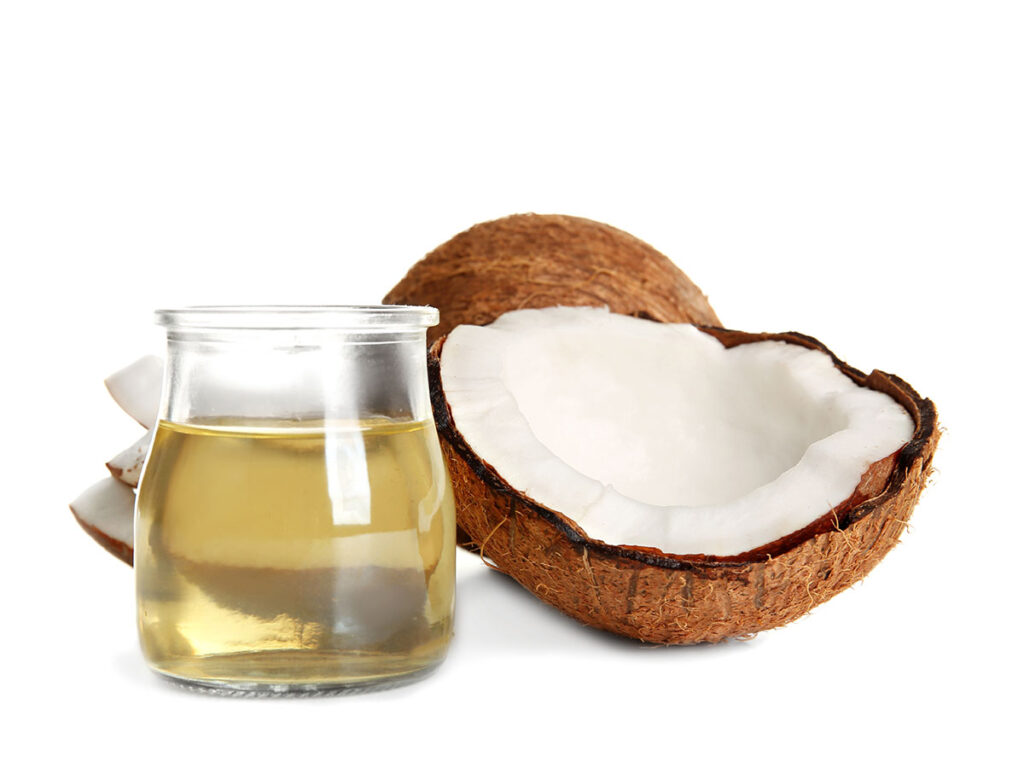
- Coconut Oil: Excellent for cannabis coconut oil recipes. High fat content binds cannabinoids well; solidifies in fridge for easy dosing scoops. Virgin/unrefined adds coconut flavor; refined is neutral.
- Olive Oil: Great for savory dishes and Mediterranean recipes.
- Avocado or MCT Oil: High smoke point and neutral taste.
- Ratio guideline: Start with 1 ounce (28g) cannabis per 1–2 cups oil for moderate potency. Adjust based on desired strength and strain potency.
Optional: Add 1 tsp sunflower lecithin per cup of oil to improve emulsification and bioavailability.
How to Make Cannabis Oil: Stovetop Double Boiler Method
This gentle method prevents overheating.
Ingredients (makes about 1 cup):
- 7–14g decarboxylated cannabis (adjust for potency).
- 1 cup carrier oil (e.g., coconut).
- 1 tsp lecithin (optional).
Steps:
- Set up a double boiler: Fill a saucepan with 1–2 inches water, place a heat-safe bowl or second pot on top (water shouldn’t touch it).
- Add oil to the top bowl and heat on low until melted/warm (target 160–200°F / 70–93°C). Use a thermometer.
- Add decarbed cannabis. Stir to coat evenly.
- Simmer gently for 2–4 hours, stirring occasionally. Do not boil or exceed 245°F to preserve cannabinoids.
- Remove from heat and cool slightly.
- Strain through cheesecloth or fine mesh strainer into a clean jar. Squeeze to extract all oil (wear gloves).
- Store in an airtight, dark glass jar in the fridge or cool dark place.
Yield and Potency Notes: Expect some loss during straining. Label with date, strain, and estimated dosage.
How to Make Cannabis Coconut Oil: Crock-Pot / Slow Cooker Method
Ideal for hands-off cannabis coconut oil.
Steps:
- Decarb your cannabis as above.
- Place a clean towel at the bottom of your slow cooker. Add warm water to create a water bath.
- Combine decarbed cannabis, coconut oil, and optional lecithin in a mason jar. Seal fingertip-tight.
- Submerge jar in water bath (water should cover most of the jar).
- Set slow cooker to low or maintain ~185°F. Infuse for 4–8 hours (or longer for stronger results), checking water level.
- Strain as above. Let cool; coconut oil will solidify.
This method is forgiving and produces consistent results with minimal monitoring.
Alternative Infusion Methods
- Stovetop Direct (Saucepan): Faster but requires constant attention to avoid scorching. 2–3 hours on very low heat.
- Sous Vide: Precise temperature control in sealed bags.
- Instant Pot: Quick pressure infusion options.
Straining, Storing, and Shelf Life
- Use multiple layers of cheesecloth, coffee filters, or a fine mesh for clean oil.
- For coconut oil: Refrigerate to solidify, then portion into silicone molds or ice cube trays for dosing.
- Shelf life: 1–2 months at room temp (cool/dark); 6+ months refrigerated; up to a year frozen. Check for off smells or mold.
Pro Tip: Save the strained plant material (AVB – already vaped bud if applicable) for weaker second infusions or topicals.
Dosing Cannabis Infused Oil Safely
Dosing is highly individual. Factors include:
- Strain THC/CBD percentage.
- Your tolerance and metabolism.
- Body weight.
Basic Calculation Example:
- If using 10g of 20% THC flower: ~2,000mg potential THC (before losses).
- Distributed in 1 cup (~240ml) oil: Roughly 8mg THC per ml/teaspoon (losses of 20–50% typical).
Start Low: Begin with 5–10mg THC equivalent. Wait 1–2 hours for edibles effects. Track in a journal.
Always label clearly: “Cannabis Infused – Keep Away from Children/Pets.”
Creative Ways to Use Cannabis Infused Oil
- Cooking: Sauté veggies, drizzle on salads, or bake into cookies/brownies.
- Topicals: Mix with beeswax for balms (great for localized relief).
- Beverages: Stir into coffee/tea (coconut oil froths well).
- Skincare: Direct application or in lotions.
- Recipes: Cannabis pesto, salad dressings, energy balls, or golden milk.
Coconut Oil Specific Uses: Bulletproof coffee, no-bake treats, or capsules (fill empty gel caps).
Common Mistakes to Avoid
- Skipping or rushing decarboxylation.
- Overheating (destroys cannabinoids/terpenes).
- Using too fine a grind → bitter, chlorophyll-heavy oil.
- Poor straining → gritty texture.
- Incorrect storage → potency loss or spoilage.
- Ignoring tolerance → uncomfortable experiences.
Safety and Legal Considerations
- Work in a ventilated area; the smell is strong.
- Use food-grade materials.
- Keep away from children and pets.
- Legality: Home production is permitted in some legal jurisdictions for personal use but prohibited in others. Hemp-derived (low-THC) is often more accessible. Research thoroughly and comply with all laws.
This is not medical advice. Effects vary; consult professionals for therapeutic use.
Troubleshooting
- Too Weak? Increase cannabis ratio, decarb longer, or infuse more hours.
- Too Bitter? Use better straining; choose high-quality flower.
- Separated? Lecithin helps; shake before use.
- Strong Smell During Process? Use foil, closed jar methods, or outdoor setup.
Advanced Tips for Better Results
- Test potency with a lab if possible (in legal markets).
- Experiment with strain blends (indica for relaxation, sativa for energy).
- Infuse multiple batches with varying ratios.
- Combine with other herbs for flavor/therapeutic synergy (e.g., turmeric for inflammation).
Conclusion: Mastering Homemade Cannabis Oil
Learning how to make cannabis oil, cannabis coconut oil, or general cannabis infused oil empowers you to create personalized, high-quality products. With proper decarboxylation, gentle low-heat infusion, and careful dosing, you’ll achieve consistent, effective results every time.
Experiment responsibly, document your process, and enjoy the versatility. Whether for culinary adventures or wellness routines, homemade canna oil is a game-changer.
